Expert Workplace Disinfection
Your operation needs regular sanitation protocols tailored to unique hazards, processing volumes, food allergens, and inspection schedules, including verifiable documentation validating food safety measures, inspection compliance, and public health regulations. The details below provide guidance on sanitation program requirements.
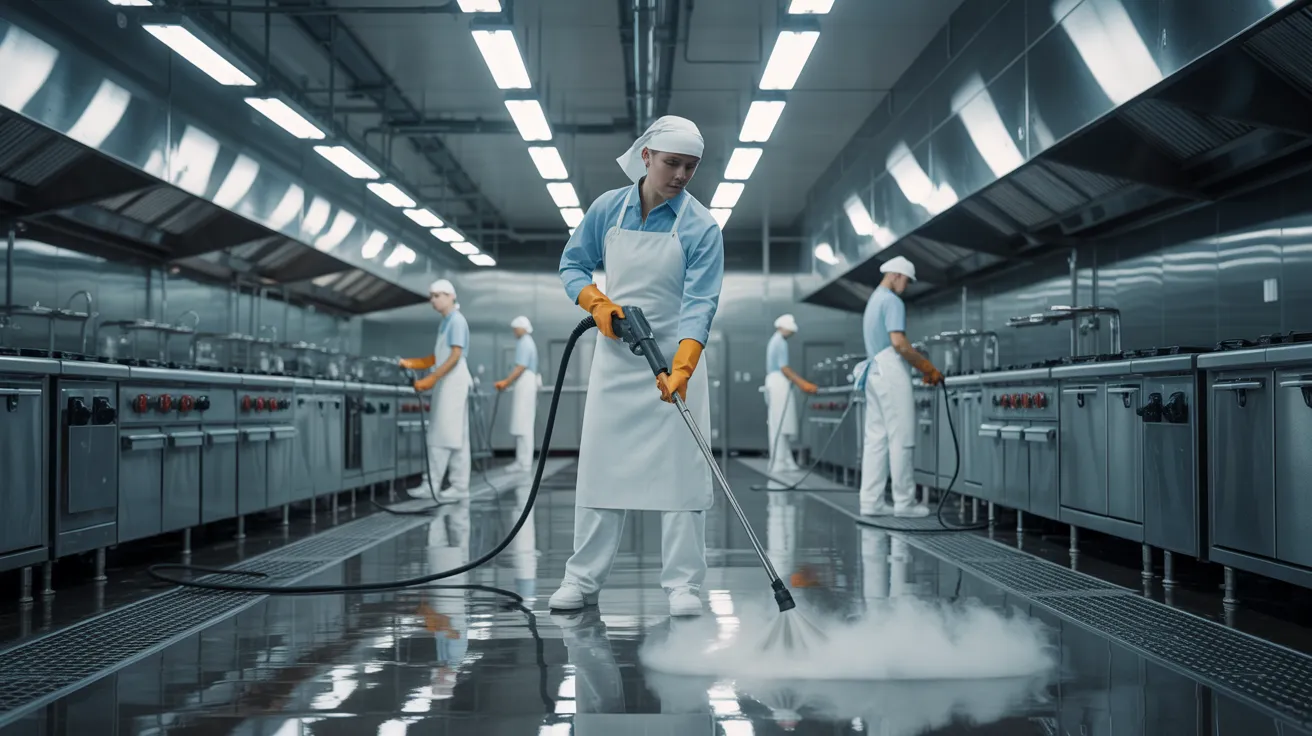
Essential Summary
- Brampton food safety cleaning experts support restaurants, grocery departments, commissaries, warehouses, bakeries, schools, mobile vendors, and allergen-sensitive operations.
- High-touch surfaces, food-contact equipment, kitchens, floors, drains, restrooms, and storage areas are disinfected using area-specific procedures to reduce cross-contamination.
- Verification of approved sanitizer dilution, appropriateness, and contact time is performed by certified contractors, with finalization documented using tests, reviews, and action records.
- Threat, output capacity, transitions, incidents, and regulations must direct hygiene timelines, with daily, recurring, and periodic activities allocated by zone.
- Insurance, colour-coded implements, hazard analysis knowledge, public-health expertise, WHMIS instruction, testimonials, and compliance-ready hygiene paperwork are essential vendor qualifications.
Which Brampton Venues Need Food Safety Cleaning?
Food safety cleaning is necessary for any Brampton facility that handles, maintains, prepares, packages, or offers food. Apply it to your business if it comes under public health review, food regulations, or HACCP protocols. This includes dining establishments, break rooms, distribution centers, market departments, meat shops, fish areas, stores, and food prep kitchens.
You'll also need documented food sanitation in distribution warehouses, production plants, frozen storage areas, commercial bakeries, educational meal programs, banquet venues, and food delivery services. Mobile and temporary businesses apply too, such as food trucks, event sellers, and temporary stalls. Should your team process ingredients, portion ready-to-eat items, reheat products, or store allergens, your venue requires established hygiene documentation. In Brampton, food safety continues to be compulsory; it constitutes regulatory, business, and safety adherence.
What Services Do Brampton Cleaning Experts Provide?
You require experienced cleaning professionals who sanitize frequently touched areas, cooking areas, flooring, and bathrooms to ensure compliance with food safety and health standards. These locations are prioritized because they carry the greatest contamination risk, slip and fall dangers, and health code violations.
Knowing their service areas enables you to validate your facility's cleaning meets operational demands and regulatory compliance.
Addressing High-Touch Surface Cleaning
Trained Brampton facility managers appreciate that high-touch surfaces call for cleaning since these areas contain microbes and organic residue. You should establish a written protocol for cleaning door handles, push plates, switches, railings, shared equipment controls, POS terminals, and refrigerator pulls. Applying contact point analysis, teams identify every high-traffic area and determine cleaning timing
in cases where outcomes are beyond required limits. They further prevent secondary contamination through swapping wipes, using directional cleaning patterns
Cooking Zones, Walking Surfaces, and Restroom Environments
Brampton cleaning services focus on kitchens, floors, and restrooms as each zone involves different sanitation, slip-and-fall, and public health risks. In industrial kitchens, you need grease removal from cooking stations, appliance surfaces, drain systems, preparation areas, and backsplashes to reduce contamination and pest pressure.
Floor care that is documented should equally be anticipated. Technicians clean and remove buildup from tile grout, ceramic surfaces, and vinyl floors, then apply appropriate drying controls so you can reduce slip incidents and meet regulatory standards. They also handle entry points where dampness and dirt enter the building.
In restrooms, cleaners treat contact surfaces, bathroom hardware, partition walls, accessory dispensers, and receptacles then restock supplies and control odours. They also service restaurant moprooms, where chemical storage, sink hygiene, and drainage conditions can affect sanitation compliance and staff safety daily.
How Food Safety Cleaning Benefits Brampton Operations
Brampton businesses need to establish food-safe cleaning standards for meeting legal standards and obtaining approval. You also minimize bacterial spread through proper cleaning of food-preparation surfaces, appliances, and frequently-touched items. Most importantly, you safeguard public health by lowering the risk of foodborne illness in your facility.
Food Safety Regulations
Food establishments in Brampton face strict public health standards, making food safety cleaning essential to satisfying health code requirements, safeguarding patrons, and avoiding enforcement action. You must maintain sanitized food contact points, recorded sanitation plans, appropriate product handling, and verifiable staff procedures that meet municipal and provincial inspection expectations.
Robust cleaning systems promotes allergen control by decreasing particles on joint machinery and commonly contacted zones.
Contamination Prevention
Adhering to regulatory guidelines requires your expertise in stopping cross-contamination throughout daily food handling and cleaning. You need to separate raw ingredients from ready-to-eat foods, sanitize work stations after each task, and keep chemicals away from food-contact items. Organized systems minimize contamination events and ensure consistent compliance during inspections.
Implementing allergen segregation helps keep priority allergens from contacting shared surfaces, containers, or equipment. Utilize separate boards, color-labeled items, and clear tool marking so workers don't combine products while preparing or distributing. Require handwashing after handling raw meat, seafood, eggs, or allergen-containing products. Replace wiping cloths regularly, and validate disinfectant levels using test strips. When your team learns these guidelines per shift, you create a cleaner, safer operation that satisfies Brampton's food safety needs daily.
Public Health Assurance
Should cleaning standards break, you don't simply risk a failed inspection—you increase the potential of foodborne illness impacting customers, staff, and the wider Brampton community. You also undermine your responsibility in safeguarding community wellness, especially in high-traffic food premises where pathogens travel quickly through surfaces, equipment, and touchpoints.
You require cleaning protocols that remove contaminants, disinfect appropriately, and confirm results. This requires following contact periods, using authorized sanitizers, logging schedules, and coaching employees to satisfy health-unit expectations. These measures prevent illness spread by minimizing pathogens before reaching surfaces or food. Throughout Brampton, strong cleaning protects vulnerable communities, reduces outbreak risk, and demonstrates your diligence. When you follow proper protocols, you exceed regulations—you mitigate risk and facilitate secure food handling region-wide.
In What Ways Does Cleaning Help Achieve Food Safety Compliance?
Embracing comprehensive cleaning schedules underpins food safety compliance by reducing contamination risks, preventing pathogen multiplication, and keeping your facility aligned with sanitation requirements under HACCP-based programs and public health regulations. You ensure that food-handling surfaces remain visibly clean and microbiologically controlled, enabling documented preventive controls and inspection readiness.
Conscientious cleaning moreover strengthens allergen control by removing residues that can provoke undeclared allergen exposure. When you match validated sanitation procedures with standards training, your staff can implement established protocols, handle approved chemicals correctly, update records thoroughly, and manage deviations prior to problems worsen. Systematic cleaning promotes audit trails, confirms remediation efforts, and demonstrates due diligence in audits. Furthermore, it aids you maintain quality assurance, copyright operational adherence, and decrease the chances of punitive measures, market recalls, customer complaints, and preventable health dangers.
How Ought You Schedule Commercial Cleaning Services?
Create cleaning routines based on risk levels, production rates, and compliance requirements rather than relying solely on a predetermined calendar. You should arrange regular cleaning daily
Seasonal thorough cleaning works best during shutdowns, weather-related soil buildup, or pest-pressure periods
What Should You Look For in Brampton Cleaning Experts?
Start by screening providers against food-safe sanitation requirements, not price alone. You should verify that each company understands CFIA, public health, and HACCP-aligned expectations relevant to your facility. Ask dive in for insurance documentation, WHMIS compliance, documented staff training, and supervision practices. Review whether technicians understand contamination prevention, chemical handling, and traceable sanitation records.
You should further examine operational reliability and accountability. Request testimonials from Brampton food businesses, then review response times, corrective-action procedures, and communication standards. Validate the company supports supplier audits and can supply compliance documentation to authorities or third parties. Confirm equipment is maintained, color-coded implements are applied correctly, and facility-specific risks are recognized. A qualified provider protects compliance, product quality, and your brand reputation.
Which components are contained in a Food Safety Cleaning Plan?
Create a documented strategy that clearly outlines every sanitation duty, guideline, and expectation before production starts. You should document cleaning frequencies, approved chemicals, dilution rates, contact times, tools, and verification methods for each zone, surface, and piece of equipment. Be sure to include pre-operational inspections, corrective actions, and employee training requirements.
Your plan should also address cross-contamination controls, waste handling, pest-prevention measures, and documented schedules for rest areas, drains, flooring, and food-contact surfaces. Detail how you'll separate raw and ready-to-eat processes, facilitate ingredient tracking, and maintain accurate allergen labeling through validated cleaning between product changes. You should assign accountability, maintain signed records, and review results against regulatory standards, HACCP controls, and customer requirements. When gaps appear, modify procedures immediately and retrain staff.
Frequently Asked Questions
Are cleaning services offered for overnight shifts in Brampton facilities?
Yes, you can arrange sanitation coverage to accommodate overnight shifts in Brampton facilities. You'll arrange nighttime cleaning around production windows, access controls, and staffing requirements. Services generally outline overnight procedures to reduce disruption, maintain compliance, and record finished work. You should verify arrival timeframes, oversight, lockout procedures, and disposal methods before service begins.
Will sanitation professionals respond to hazardous incidents?
Yes, you can find many Brampton cleaning experts who offer emergency spill response services. They handle contamination, assess risks, isolate affected areas, and begin swift cleanup to reduce exposure and avoid operational disruption. You should confirm response times, professional credentials, PPE protocols, and disposal procedures. If your facility must meet regulatory requirements, select a service that documents incidents, maintains regulatory procedures, and enables compliance verification.
Will eco-friendly disinfectants clean safely surfaces contacting food?
Yes, green disinfectants can be appropriate for surfaces contacting food if you select items marked food-safe and meeting regulatory standards. You should check exposure duration, concentration levels, and rinse protocols before application. Many natural-based solutions reduce harsh chemical exposure, but you must obtain demonstration of efficacy against target microorganisms. To keep surfaces residue-free, you should follow manufacturer directions precisely and confirm the sanitizer complies with food sanitation requirements.
Do cleaning plans allow for production fluctuations?
Yes, you can modify cleaning schedules for seasonal variations. You should adjust frequencies, labor allocation, chemicals, and verification steps to align with seasonal workflows while maintaining compliance standards. You'll reduce production downtime by planning sanitation around equipment transitions, peak seasons, and usage patterns. You should also update procedural documents, staff education, and monitoring protocols to capture temporary risks, new allergens, or elevated soil levels. Regular reviews ensure your strategy functional.
Do commercial cleaning providers coach your team in sanitation best practices?
Indeed, professional cleaners often offer staff training on sanitation best practices. Your team obtains training on proper chemical use, exposure durations, cross-contamination prevention, equipment disassembly, and documentation. They typically follow instruction with HACCP, GMP, and CFIA or local public health requirements. Many also execute compliance inspections to confirm standards, identify gaps, and strengthen improvement measures. This supports you in maintain consistent procedures, pass inspections, and decrease foodborne illness risks each day.
Closing Remarks
By collaborating with Brampton food safety and commercial cleaning experts, you aren't simply tidying—you keep your operation inspection-ready and your practices up to code. From kitchens to processing floors, every sanitized surface and organized space decreases contamination and prevents costly issues. By arranging service at appropriate intervals and adhering to a systematic cleaning protocol, you secure your team, customers, and your standing. In a strictly regulated industry, clean spaces must be prioritized—they're essential to successful operations.